Currently Empty: ₨ 0.00
Marsi Rice of Jumla – A Himalayan Heritage with a Simple Recipe
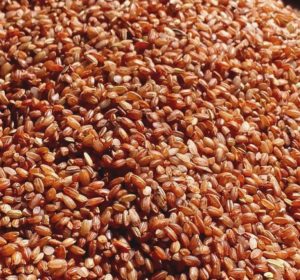
Marsi rice is a rare and indigenous red rice variety grown in the high hills of Jumla, Karnali Province, Nepal, at elevations above 2,300 meters. Known as one of the highest-altitude rice varieties in the world, Marsi rice is cultivated using traditional, organic farming practices with pure Himalayan water. It is a symbol of Jumla’s culture, resilience, and food heritage.
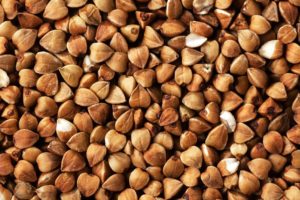
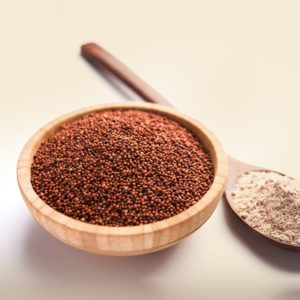
Marsi rice is reddish-brown in color, aromatic, and rich in iron, fiber, antioxidants, and essential minerals. Compared to polished white rice, it is more nutritious and has a lower glycemic index, making it suitable for people concerned about diabetes, digestion, and overall wellness. Its earthy flavor and firm texture make it both healthy and satisfying.
Simple Marsi Rice Recipe (Traditional Style)
Ingredients:
- 1 cup Marsi rice
- 2½–3 cups water
- Salt (to taste)
- 1 teaspoon ghee (optional)
Method:
- Wash the Marsi rice thoroughly 2–3 times and soak it for about 30–45 minutes (this helps soften the grains).
- Drain the water and add the rice to a pot.
- Add water and bring it to a boil.
- Lower the heat, cover the pot, and let it simmer for 25–30 minutes, stirring occasionally.
- Once the rice is soft and water is absorbed, add salt and ghee if desired.
- Turn off the heat and let it rest for 5 minutes before serving.
Serving Suggestion:
Marsi rice tastes best when served with local lentils (dal), seasonal vegetables, gundruk, saag, or natural yogurt.
Eating Marsi rice is not just about nutrition—it is about embracing healthy living, traditional wisdom, and sustainable Himalayan agriculture. By choosing Marsi rice, you support local farmers and preserve Nepal’s priceless food heritage.


This is exactly what i was looking for, thank you so much for these tutorials
It would be great to try this theme for my businesses