Currently Empty: ₨ 0.00
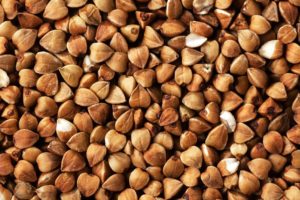
Buckwheat – A Nutritious Himalayan Superfood with a Traditional Recipe
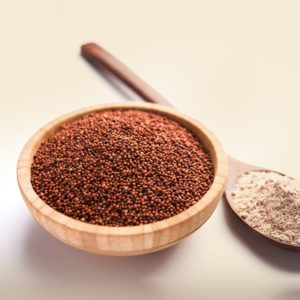
Buckwheat is a traditional and highly nutritious crop widely grown in the high hills of Nepal, especially in Karnali and Himalayan regions. Locally known as Phapar or Phaphar, buckwheat thrives in harsh climates and poor soils, making it an important raithane (indigenous) crop for mountain communities. Despite its name, buckwheat is not a cereal grain but a gluten-free pseudo-grain, valued for both its health benefits and versatility.
Buckwheat is rich in protein, dietary fiber, magnesium, iron, and antioxidants. It helps improve digestion, supports heart health, and is suitable for people with gluten intolerance. Its low glycemic index makes it a good choice for managing blood sugar levels. Regular consumption of buckwheat contributes to sustained energy and overall well-being.
Traditional Buckwheat Roti (Phapar ko Roti) Recipe
Ingredients:
- 1 cup buckwheat flour
- Warm water (as needed)
- A pinch of salt (optional)
- Ghee or oil (for cooking)
Method:
- In a bowl, add buckwheat flour and salt.
- Gradually add warm water and mix to make a soft dough.
- Divide the dough into small balls.
- Flatten each ball gently using your hands or between palms (buckwheat dough is delicate).
- Heat a pan or tawa and lightly grease it.
- Cook the roti on medium heat until both sides are cooked and light brown, applying a little ghee if desired.
- Serve hot.
Serving Suggestion:
Buckwheat roti tastes best with gundruk, saag, yogurt, or local bean curry, and is often enjoyed during winter or fasting periods.
Buckwheat is more than a food—it represents resilience, tradition, and healthy Himalayan living. Including buckwheat in your daily diet supports sustainable agriculture and keeps indigenous food wisdom alive